Menstrual Cramps: What Should I Do?
Period pain is the absolute worst!
If it had a voice, it would whisper, “I’ll make you uncomfortable, and exhausted and there’s nothing you can do about it.”
But here’s the good news! There is something you can do.
I’ve compiled effective ways to ease menstrual cramps. These approaches have brought real comfort and relief and I truly believe they can help you too.
So take a deep breath, get comfortable, and give yourself a moment of care as you settle into this read.
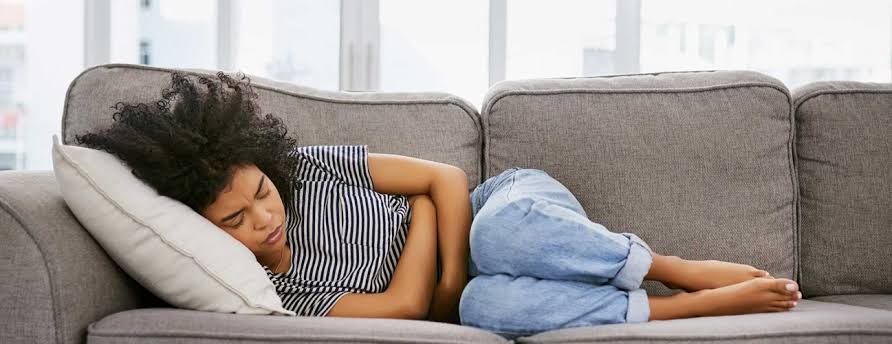
What are menstrual cramps?
Menstrual cramps, medically known as dysmenorrhea, are pains caused by contractions of the uterus.
The pain can range from mild, to moderate, and severe, and is usually felt in the lower abdomen and lower back.
According to a cross-sectional study , menstrual pain was reported by 84.1% of women. Of these, 43.1% feel the pain every period, while 41% experience it during some cycles.
The good news? For many women, the pain becomes milder with age and some notice fewer symptoms as they get older.
How does menstruation occur?
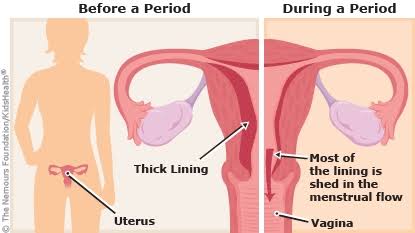
Unless a woman gets pregnant, each month her uterus sheds its lining.
This process is powered by a rhythmic contraction and relaxation of the uterus which helps push the lining out of the body through the vagina. That flow is what we know as menstruation.
Risk factors of menstrual cramps include;
- Age under 30.
- Early puberty, at or before age 11.
- Heavy bleeding during periods (menorrhagia).
- Irregular menstrual bleeding (metrorrhagia).
- Family history of menstrual cramps.
- Smoking.
- Diet.
- Obesity.
- Depression.
Causes of menstrual cramps
Menstrual cramps are mainly divided into two types:
1. Primary dysmenorrhea
This is caused by contractions of the uterus alone.
A hormone-like substance called prostaglandin plays an important role here. It triggers uterine contractions and causes pain as well.
Primary dysmenorrhea is more common:
•Women less than 30.
•Women with heavy bleeding.
2. Secondary dysmenorrhea.
These are cramps caused by underlying medical conditions. These include fibroids, endometriosis, tumors, adenomyosis, pelvic inflammatory disease, ovarian cysts and ectopic pregnancy.
Unlike primary dysmenorrhea, it starts a few days before the period and lasts longer than usual. It is also not associated with vomiting, nausea or diarrhea.
What should you do?
This is the part you've probably been looking forward to, so let's dig right in.
1. Use heat therapy
Unlike pills, this leaves no systemic side effects, and is widely known to relieve menstrual cramps.
Heat relaxes the uterine muscles and reduces contractions which ultimately relieves pain.
You can use a hot towel, water bottle or a heating pad over the lower abdomen for about 10-30 minutes.
Some people also find relief from drinking hot water or tea hat and that works fine as well.
2. Eat right
Hey sis! Now isn't the time to eat all kinds of junk food even though the cravings may feel strong.

That sugar cravings is caused by hormonal changes in the body.
Just before menstruation, progesterone levels drop while oestrogen increases. This can affect blood sugar levels and stimulate cravings.
What you eat during your period can either worsen or improve your cramps, so it's important you eat right.
Try to limit:
- High-fat containing foods: Foods containing a high amount of fat promote inflammation. And Inflammation causes pain.
- Sugary and refined foods: This includes sweets, white bread, pasta and snacks. These foods can affect blood sugar levels and cause inflammation.
- Dairy products: Milk, cheese, and cream contain a high level of arachidonic acid which worsens pain.
- Alcohol: Alcohol is bad for you during your menses. It can cause inflammation and dehydration, both of which intensify pain.
- Caffeine: Due to it's vasoconstrictive and diuretic effect, caffeine may worsen pain. In other words, Adios Caffeine! (at least during your menstruation).
What can help?
- Chamomile tea: Chamomile has an anti-inflammatory property. It also reduces prostaglandin-related uterine contractions.
- Cinnamon and ginger: Studies suggest that cinnamon and ginger cause a significant reduction of menstrual symptoms.
- Anti-inflammatory foods: Cherries, blueberries, squash, tomatoes, and bell peppers can be beneficial.
- Dietary supplements like magnesium, calcium, vitamins B6, B1, E, and vitamin B12 can be taken as well.
3. Drink more water
During menstruation, the body is more prone to losing bodily fluids and dehydration.
Similarly, women also complain of feeling bloated.
"At the start of your menstrual cycle, your hormone levels progesterone and estrogen are low, and this can cause your body to retain water, which can leave you feeling bloated and sluggish," Kendra Segura, MD, an ob-gyn in southern California, told Popsugar.
Drinking at least eight glasses of water per day can prevent bloating, muscle cramps and fatigue.
4. Try simple positioning
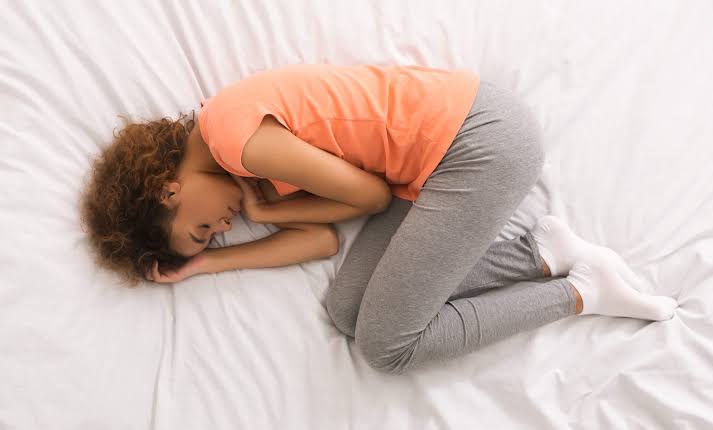
Sleeping in a fetal position helps to ease pressure from the muscles in the abdomen. And less pressure often means less pain.
In the fetal position, the body lies curled up on one side with the arms and legs pulled in close.
5. Try relaxation and movement techniques
- Soak in a tub: Use warm (not hot) water. A nice, soothing soak can help relax tense muscles and ease cramps. Stay in the tub for at least 15 minutes, or longer if you feel comfortable.
- An abdominal massage: Gently massaging the lower abdomen can relax the uterine muscles and reduce discomfort. Slow, circular motions often work best.
- Exercise: Evidence suggests the role of exercise in reducing pain. The Cochrane Review Exercise for dysmenorrhea (September 2019) reviewed studies involving 700 young women under 25 years with moderate to severe period pain. The results showed that women who exercised experienced a reduction in pain, compared to those who didn't exercise at all. Overall, evidence suggests that exercise may be effective in reducing period pain levels by 25mm on a 100mm scale. Puteri Zainuddin reviewed the results and had this to say; "As the reduction of pain described was so large, this gives women who suffer from period pain hope that their symptoms could be managed by exercise, which could be a simple lifestyle modification. However, as the certainty of the evidence is low, more trials are needed to confirm these findings both in women under 25, and older women". It should also be noted that exercise does not work the same for everyone. While many experience relief, some may find that physical activity worsens their symptoms. Research suggests that exercise might not be the best option for period pains in all individuals, so it's important you listen to your body and do what's right for you.
6. Take pain relievers
This is one of the most common ways of handling menstrual cramps and it is effective for many people. However, pain relievers might come with side effects especially when used incorrectly or frequently.
Non-Steroidal Anti-Inflammatory Drugs (NSAIDs) are commonly used for period pain. They work by reducing inflammation and blocking prostaglandin which is responsible for uterine contraction and pain.
Common over-the-counter NSAIDs include ibuprofen, diclofenac, ketoprofen and naproxen. These drugs should be used as prescribed and it's best to consult a healthcare professional if pain is severe or not improving.
Period cramps are normal. However, if the pain becomes overbearing and consistently interferes with your activities, it may be time to see your doctor.
I'm rooting for you, and I hope these tips help you feel better.
Post a comment